From our previous website’s article collection. Dates, prices and treatment information reflect the original publication period.
Quick Answer: Dermal infusion (SilkPeel, HydraFacial and similar systems) is a device-based dermatological procedure that simultaneously performs mechanical exfoliation, vacuum suction, and active serum infusion. Unlike standard microdermabrasion, it also delivers active ingredients into the skin. A single session produces an immediate radiance effect; it can address multiple concerns including acne, pigmentation, dry skin, and clogged pores — with virtually no downtime.The Dermal Infusion Concept: Understanding the Technology
Dermal infusion belongs to the "multi-functional" category of skin rejuvenation technologies. Traditional dermatological procedures typically target a single objective: either exfoliation (chemical peeling, microdermabrasion), hydration (mesotherapy), or cleansing (vacuum suction). Dermal infusion performs all three simultaneously, using a single device.
Core working principle:
- Mechanical exfoliation: The device's diamond-tipped or crystal-tipped head gently abrades the uppermost layer of the stratum corneum — removing the dead cell layer.
- Vacuum suction: Simultaneously, negative pressure draws out surface contaminants, sebum, and pore plugs.
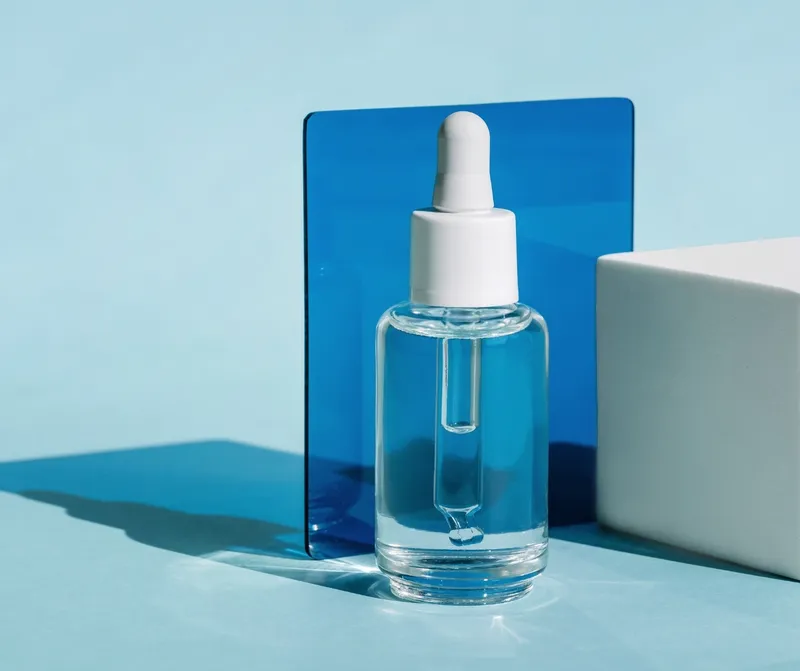
- Active ingredient infusion: At the same time, the device infuses a serum solution into the exfoliated, open-pore skin — significantly enhancing penetration of active ingredients.
This triple simultaneous action is the key distinction from standard microdermabrasion. Rather than merely stripping the surface, the treatment nourishes the skin at the same moment it exfoliates.
SilkPeel Technology vs. HydraFacial: Key Differences
| Feature | SilkPeel (Dermalinfusion) | HydraFacial |
|---|---|---|
| Exfoliation type | Diamond-tipped tip (no crystals, less particulate matter) | Hydrodermabrasion (water-based cyclic system) |
| Infusion system | Unidirectional: suction remains active during serum infusion | Cyclic: alternates between suction and infusion cycles |
| Serum flexibility | High — compatible with various proprietary and compounded serums | Works with brand serums (proprietary booster system) |
| Sensitive skin compatibility | High — tip pressure is adjustable | High — water-based system is gentle |
| Pore cleansing | Effective | Very effective (vortex technology) |
| Clinical setting | Medical aesthetic clinics, dermatology centers | Medical and beauty centers (widely available) |
Which Serum for Which Concern?
The power of dermal infusion lies in problem-specific serum selection. Solutions are customized according to the skin concern being addressed:
| Serum / Solution | Active Ingredients | Target Concern |
|---|---|---|
| Acne / Oily Skin Serum | Salicylic acid (2%), zinc, niacinamide | Acne, clogged pores, excess sebum, blackheads |
| Pigmentation / Brightening Serum | Glycolic acid (5–10%), kojic acid, vitamin C, tranexamic acid | Sun spots, post-inflammatory hyperpigmentation, melasma, dull skin tone |
| Hydration / Moisture Serum | Low-molecular hyaluronic acid, glycerin, panthenol | Dry and dehydrated skin, dull appearance, tightness |
| Anti-Aging / Collagen Serum | Peptides, retinol (low concentration), growth factors | Fine lines, reduced skin elasticity, general ageing |
| Intensive Vitamin C Serum | L-ascorbic acid (10–20%), ferulic acid, niacinamide | Antioxidant protection, skin tone evening, early ageing prevention |
Indications: Who Is the Ideal Candidate?
Dermal infusion covers a broad range of indications, allowing a suitable treatment protocol to be established for most patients:
- Acne and oily skin: Salicylic acid-based serum for pore clearing, comedone removal, and sebum regulation
- Hyperpigmentation and uneven skin tone: Brightening serum to reduce superficial melanin accumulation
- Dry and dehydrated skin: Immediate moisture infusion to support the skin barrier
- Fine lines and volume loss: Peptide serums to stimulate fibroblast activity
- Enlarged pores: Vacuum action to clear pore contents and tighten pore appearance
- General skin quality improvement: Periodic maintenance for a bright, smooth, "glass skin" look
- Pre-wedding / special event preparation: Immediate radiance effect after the session — ideal before social events
Comparison with Standard Microdermabrasion
| Criterion | Microdermabrasion | Dermal Infusion |
|---|---|---|
| Exfoliation | Diamond or aluminium oxide crystal | Diamond tip (no particulate) |
| Active ingredient delivery | None (physical exfoliation only) | Yes (simultaneous serum infusion) |
| Sensitive skin suitability | Moderate (crystal particle concerns) | High (adjustable parameters) |
| Moisture retention | Weak (skin may become dry afterward) | Strong (supported by moisture infusion) |
| Problem specificity | Low (same procedure for all skin types) | High (personalised via serum selection) |
| Downtime | None–minimal (1–2 days mild redness) | None (makeup can be applied immediately*) |
*If a serum containing retinol or high-concentration acids was used, consult your physician before applying makeup.
Number of Sessions, Intervals, and Treatment Programme
The duration of effect and session planning for dermal infusion depend on the target outcome and the serum used:
- Single session (special event / quick refresh): Immediate radiance and softness. Ideally performed 5–7 days before a wedding, graduation, or special occasion.
- Foundation programme (4–6 sessions): Once monthly or every two weeks; when targeting acne, pigmentation, or general skin quality, more frequent sessions (every two weeks) during the first 2–3 months, followed by monthly maintenance.
- Maintenance programme: A periodic maintenance session every 4–6 weeks is sufficient to sustain skin quality.
Combination with Other Treatments
Dermal infusion pairs effectively with other medical aesthetic procedures:
- Pre-laser preparation: A dermal infusion session performed 2–4 weeks before laser treatment cleanses the skin surface and optimises laser penetration. Clinical observations indicate improved laser outcomes.
- Post-laser care: During the recovery period following ablative laser treatment (with physician approval, typically 4–6 weeks later), dermal infusion with an intensive hydration serum supports barrier repair.
- Same day as botulinum toxin and dermal fillers: Generally safe; however, injection sites should be avoided and manufacturer guidelines should be observed.
- PRP combination: Dermal infusion performed before or after PRP may enhance growth factor penetration.
Who Should Not Receive This Treatment?
Although dermal infusion is generally a safe procedure, it is contraindicated in certain situations:
- Active inflammatory acne phase (widespread pustular acne) — risk of spreading infection
- Active herpes simplex (cold sore) outbreak
- Active eczema or psoriasis lesions under treatment
- Rosacea patients: high vacuum pressure and abrasive tips are contraindicated; a special low-intensity protocol is required
- Pregnancy: retinol- or salicylic acid-containing serums are not recommended (evaluation is serum-dependent)
- Open wounds or areas with active dermatitis
- Patients on isotretinoin (Roaccutane): treatment may be performed at least 6 months after completing the course
What to Expect After a Session
Dermal infusion is well tolerated by almost all patients. Post-treatment expectations include:
- Session duration: 30–60 minutes (depending on the selected protocol)
- During the procedure: only a mild warmth or suction sensation — no significant discomfort; no anaesthesia required
- After the session: mild redness largely subsides within 30–60 minutes; makeup may be applied
- First 24–48 hours: postponing harsh cleansers and acid-based products is recommended
- SPF use is essential — with the dead cell layer removed, the skin is more sensitive to UV radiation
Dermal Infusion Protocol at Abel Beauty
This article is for informational purposes only. Please consult a qualified physician for treatment decisions.