From our previous website’s article collection. Dates, prices and treatment information reflect the original publication period.
Quick Answer: Glutathione is the body's most powerful endogenous antioxidant. When applied to the skin via mesotherapy, it inhibits tyrosinase — the key enzyme in melanin synthesis — promoting tone evening and brightening. It contributes to collagen production and reduces oxidative stress. Realistic expectation: noticeable tone evening and radiance gain are achievable; dramatic whitening is not and should not be a goal. Average protocol: 600–1200 mg/session, 6–8 sessions, once every 4 weeks.The Biochemistry of Glutathione: Tripeptide Structure and Cellular Role
Glutathione (GSH) is a tripeptide composed of three amino acids: glutamate + cysteine + glycine. It is synthesised in every cell, with particularly high concentrations in liver, lung and skin tissue. It is defined as the body's "master antioxidant" because it directly neutralises reactive oxygen species (ROS) and reactivates other antioxidants such as vitamins C and E.
Cellular glutathione levels decline with ageing. This decline is associated with accumulated oxidative damage, increased susceptibility to inflammation, and increased melanin production (formation of dark spots). Exogenous glutathione supplementation can help slow this process.
Mechanisms of Action on the Skin
Glutathione's effects on the skin occur through multiple pathways:
- Melanin synthesis inhibition: Glutathione inhibits tyrosinase, the melanocyte enzyme that catalyses the conversion of the amino acid tyrosine into melanin pigment. When tyrosinase is suppressed, production of both eumelanin (brown/black pigment) and pheomelanin (yellow/red pigment) decreases, and skin tone begins to even out.
- Melanin conversion: Glutathione shifts dark eumelanin synthesis towards lighter pheomelanin synthesis. This effect contributes to tone lightening without melanin being completely eliminated.
- Collagen synthesis support: Glutathione supports fibroblast activation and regulates the oxidative environment required for collagen synthesis.
- Oxidative stress reduction: By neutralising free radicals, it provides protection against UV damage, pollution-induced damage and inflammatory ageing.
Routes of Administration: IV, Mesotherapy and Topical Comparison
| Route | Efficacy | Advantage | Disadvantage |
|---|---|---|---|
| IV (intravenous) | High systemic bioavailability | Rapid onset, body-wide effect | Invasive, hospital setting, expensive, restricted in some countries |
| Mesotherapy (intradermal) | High local skin bioavailability | Direct target tissue, controlled dose | Limited systemic effect, multiple sessions required |
| Topical (cream/serum) | Low–moderate | Easy, home use | Difficult to penetrate the epidermal barrier, oxidises readily, liposomal formulation required |
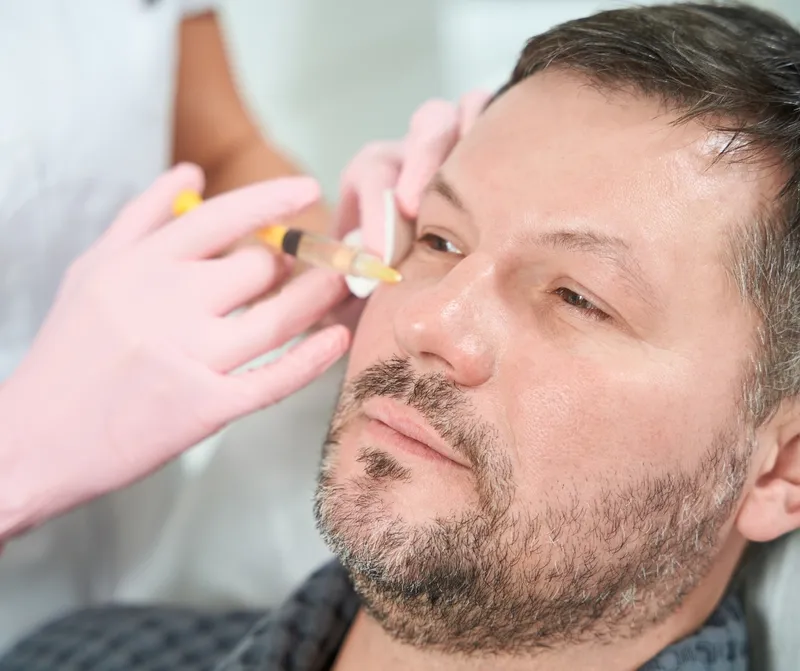
For skin-focused treatment, mesotherapy is the most rational choice: glutathione is injected directly into the dermis, acts in close proximity to tyrosinase, and systemic bioavailability concerns are minimised.
Dose Protocol and Session Plan
Although the dose and frequency used in glutathione mesotherapy vary according to the literature and clinical experience, the commonly used protocol as of 2026 is as follows:
- Dose: 600–1200 mg glutathione per session (freshly prepared, sterile formulation)
- Frequency: Once a week or once every 2 weeks (intensive phase), then once every 4 weeks (maintenance)
- Number of sessions (intensive phase): 6–8 sessions
- Combination: Synergistic combination with vitamin C (1000–2000 mg) is frequently preferred
- Application technique: Nappage (multi-point superficial injection) or micro-injection gun
| Goal | Dose | Sessions | Maintenance |
|---|---|---|---|
| Tone evening / brightening | 600–800 mg | 6–8 sessions | Every 3 months |
| Pigmentation treatment (intensive) | 1000–1200 mg | 8–10 sessions | Every 2 months |
| Antioxidant / anti-ageing | 600 mg | 4–6 sessions | Every 3–4 months |
Clinical Study Data: How Much Evidence Is There?
The most frequently cited study examining glutathione's skin-brightening effect is a randomised controlled pilot study conducted in the Philippines by Arjona et al. (2012). The group taking 500 mg oral glutathione twice daily for 4 weeks showed a significant decrease in melanin index compared to placebo. However, the important limitations of this study should be kept in mind:
- Small sample size (n=60)
- Short follow-up period (4 weeks)
- Oral administration — not mesotherapy
- Filipino cohort — skin tone, diet and baseline glutathione levels may differ
Large-scale randomised controlled studies specific to glutathione application via mesotherapy are limited. Anecdotal and observational evidence plays a larger role in clinical practice. This does not mean the treatment should be dismissed entirely; however, it does indicate that expectations need to be kept realistic.
Safety for Fitzpatrick IV–VI Skin Types
Glutathione mesotherapy is generally considered safe in darker skin types (Fitzpatrick IV–VI). However, points to bear in mind:
- Overly aggressive protocols (very high dose, very frequent sessions) can increase the risk of post-inflammatory hyperpigmentation (PIH)
- SPF 50+ sunscreen must absolutely be used after the procedure — UV exposure re-stimulates melanocytes and any progress made may be reversed
- If the skin is damaged during the procedure (incorrect needle depth, unintended trauma), the risk of PIH increases
Glutathione and Vitamin C Synergy
Glutathione and vitamin C (ascorbic acid) form a mutually reinforcing antioxidant pair:
- Vitamin C converts oxidised glutathione (GSSG) back to its reduced active form (GSH)
- Vitamin C also independently inhibits tyrosinase and reduces melanin synthesis
- Combining the two provides superior tone-evening effects compared to either used alone
For this reason, adding vitamin C (500–2000 mg) to glutathione mesotherapy has become a standard protocol. Combination cocktails are offered in clinics under names such as "radiance mesotherapy" or "brightening mesotherapy".
Realistic Expectations: What to Expect and What Not to Expect
Expectation management points that need to be clarified to prevent misconceptions about glutathione mesotherapy:
| Realistic Expectation | Unrealistic Expectation |
|---|---|
| Evening of skin tone and reduction of dull appearance | Complete skin colour change with a few injections |
| Lightening of sun spots (especially superficial ones) | Complete elimination of deep melasma |
| Antioxidant protection and improvement in skin quality | Permanent alteration of genetic skin colour |
| Appearance improvement during treatment (effect requires maintenance) | Permanent whitening (effect diminishes when treatment is stopped) |
Efficacy of Oral Glutathione Supplementation
Bioavailability is a debated topic regarding the use of glutathione as an oral supplement. The classical view is that oral glutathione cannot be absorbed intact as a tripeptide by the gastrointestinal tract — it is broken down into its amino acids and thus cannot reach skin level. However, more recent studies suggest that liposomal formulations and S-acetylglutathione forms have relatively better bioavailability.
Conclusion: Oral glutathione may provide limited effects on the skin; however, its efficacy is markedly lower compared to direct delivery to the dermis via mesotherapy. Supplements appear appropriate in a supportive role to clinical treatment — not as a replacement.
At Abel Beauty, glutathione mesotherapy is administered as a personalised cocktail combined with vitamin C and other antioxidant components. You can book an appointment for skin tone assessment and protocol planning. Please contact us for pricing.
This article is for informational purposes only. Please consult a qualified physician for treatment decisions.