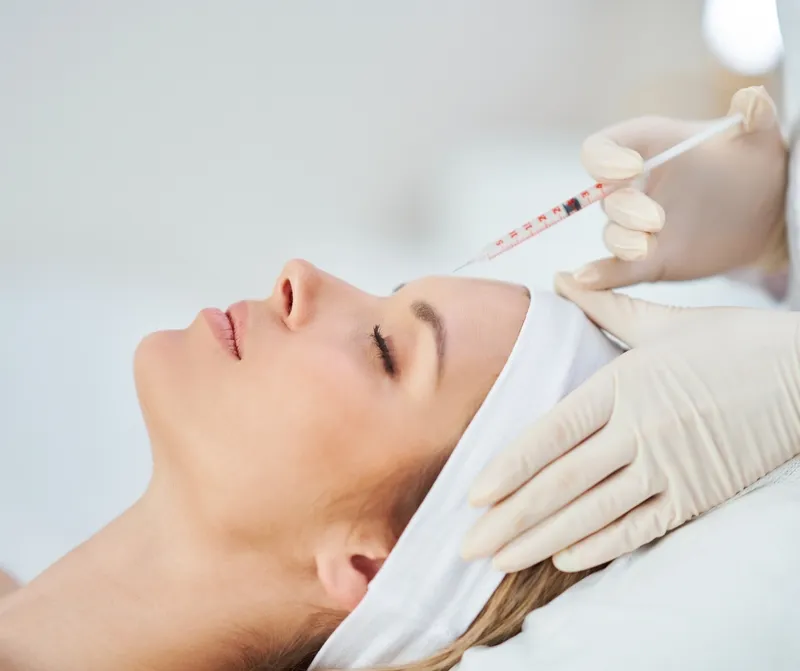
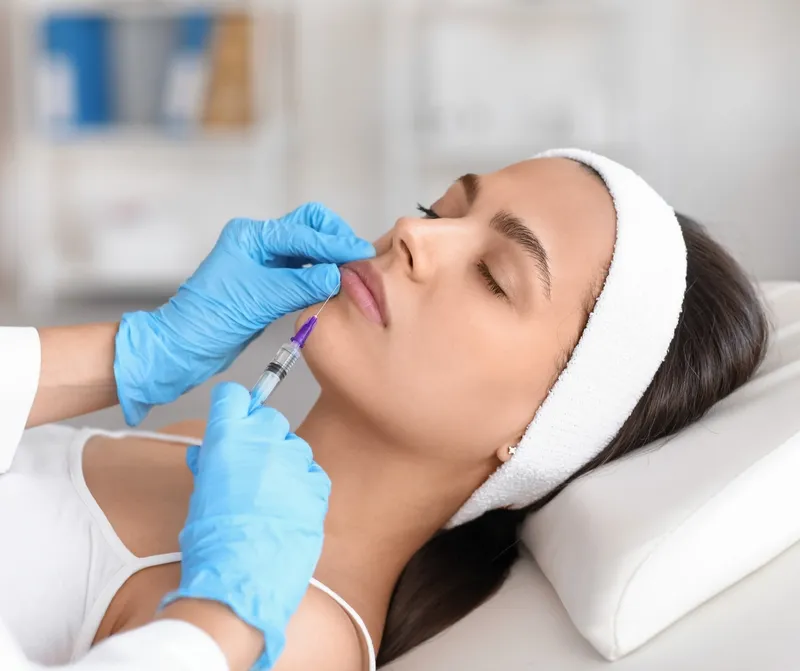
Botulinum toxin temporarily reduces activity in selected muscles. Expression lines and volume loss are different concerns, so botulinum toxin and dermal fillers are considered for different purposes.
What should you discuss before treatment?
Forehead lines, frown lines, the eye area, jaw muscles and excessive sweating do not share one treatment plan. Discuss the intended area, previous treatments, medicines and the change you are hoping for.
Options in this category
Neck · Jawline
Nefertiti Botox
Botulinum toxin applied to the platysma muscle aims to temporarily reduce prominent neck bands and muscle activity that pulls the jawline down.
Head · Neck · Shoulders
Migraine Botox
Botulinum toxin treatment for chronic migraine is planned after a neurological assessment, with the aim of reducing headache days.
Jaw muscle
Masseter (Teeth Grinding) Botox
Botulinum toxin applied to the chewing muscle temporarily reduces its contraction strength. It may be considered for teeth-clenching concerns and muscle prominence.
Underarms · Excessive sweating
Axillary (Underarm Sweating) Botox
Botulinum toxin temporarily reduces signals to sweat glands in the underarms and is used to help control excessive sweating.
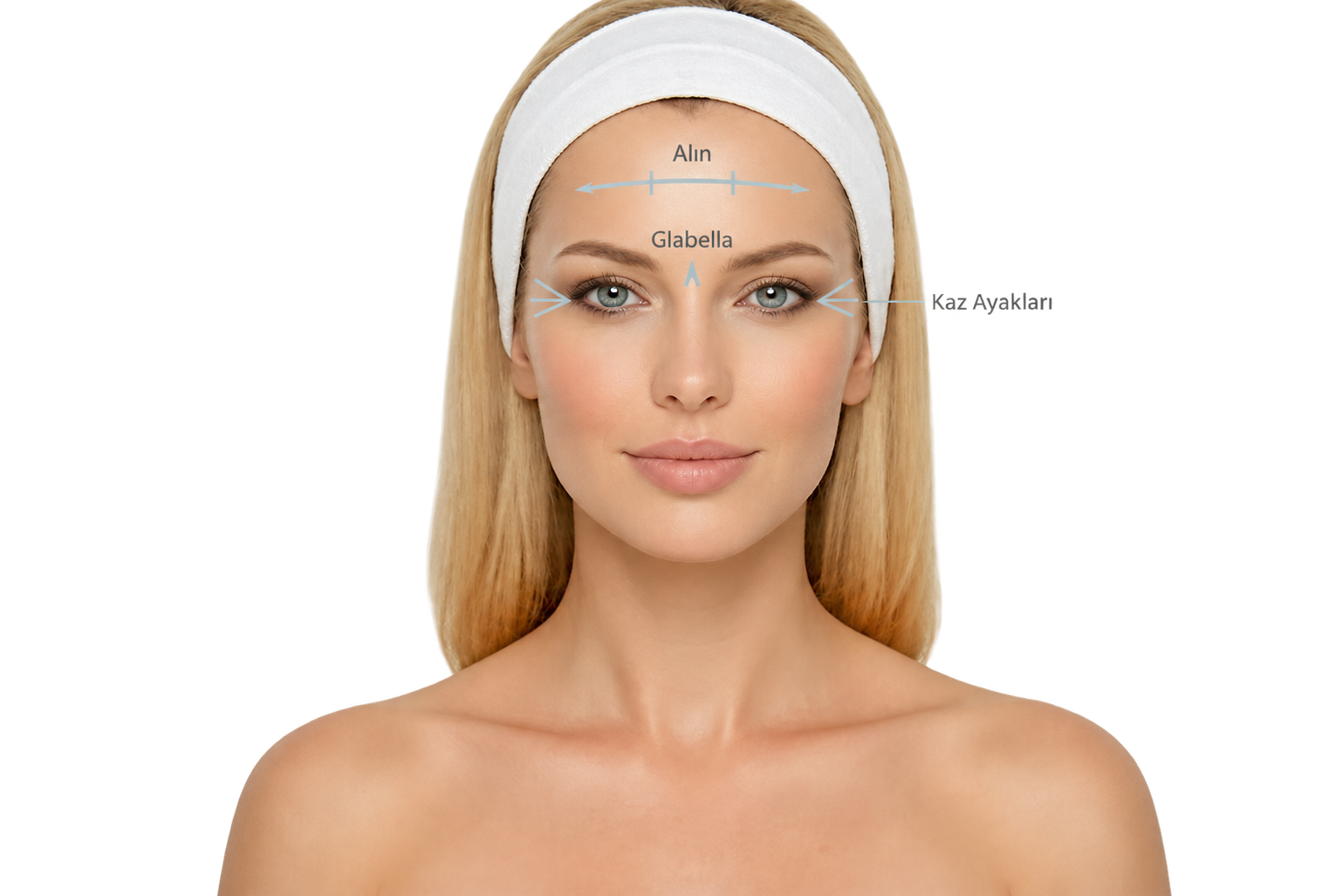
Forehead · Frown lines · Crow’s feet
Botulinum Toxin 3 Areas
Botulinum toxin is applied to selected expression muscles, aiming to soften dynamic lines by temporarily reducing muscle activity.
What are the expectations and limitations?
Effects are temporary, and onset and duration vary with the individual, product and area. A clinician should explain possible side effects and assess whether treatment is appropriate.
Preparing for a consultation
Describe the change you are hoping for and what matters most to you.
Share your previous procedures, medical history, medicines and allergies.
Ask about alternatives, recovery, follow-up and the total proposed cost.
Sources and publishing information
Published by Abel Beauty. This guide provides general information.